



Why your fridge is drying out your ingredients
Discover how Adande's low-velocity cooling keeps food fresher for longer: less moisture loss, less oxidation, and less waste than standard kitchen fridges.

Every commercial fridge and freezer relies on a fan to shift cold air around the unit; it’s such a standard part of refrigeration that most chefs never think to question it. But that constant, moving air comes at a cost most kitchens never see: moisture stripped from a fillet of fish, the surface of a piece of meat starting to dry and discolour, ice cream developing that gritty, freezer-burnt texture nobody wants to serve. To understand why, you have to understand what cold air actually does to food when it’s moving fast.
Turbulence is the enemy of freshness
Conventional refrigeration relies on forced-air convection: a fan blasts cold air continuously across the cabinet to strip heat from the food inside. It’s an effective way to bring temperature down quickly, but it comes at a cost. Moving air accelerates evaporation from any exposed surface, the same principle that dries washing on a windy day dries out a piece of salmon in a fridge. As moisture leaves the surface of the food, it becomes more exposed to oxygen, speeding up oxidation: the browning of cut fruit and veg, the greying of proteins, the loss of vibrant colour and flavour that chefs work so hard to protect.
Every time the door opens, it gets worse. Warm kitchen air rushes in, the fan kicks into overdrive to compensate, and the food inside is subjected to a fresh burst of turbulent airflow and temperature fluctuation. Do that dozens of times a service, hundreds of times a week, and the cumulative damage to delicate ingredients adds up in lost quality and in lost profit.
Adande’s answer: hold the cold
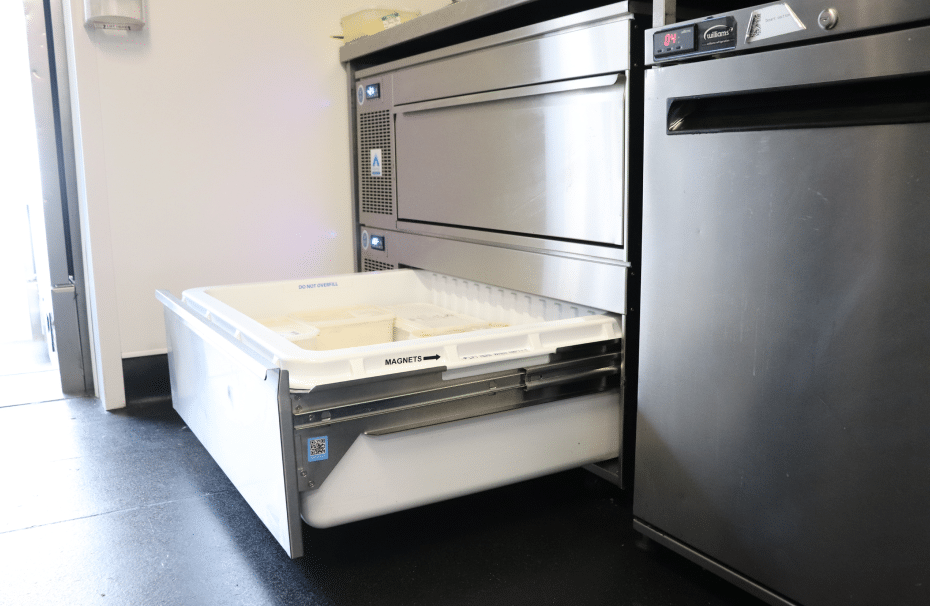
Adande’s patented refrigeration technology takes the opposite approach. Unique to Adande, the insulated container inside the unit ensures cold air is retained each time the drawer is opened. Conventional refrigeration units use fans to blow cold air around the cabinet, but with Adande, cold air gently falls down onto and around the food in the insulated drawer, which we call low velocity cooling. It’s a deceptively simple shift in physics, but it changes everything about how ingredients behave in storage.
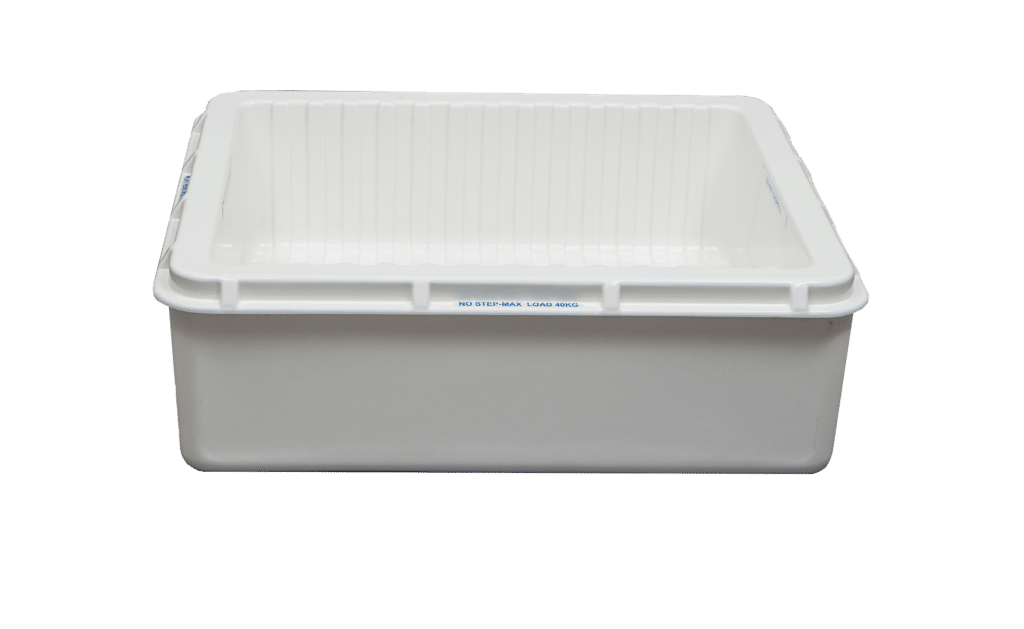
The insulated container is doing more than just holding temperature; it’s holding a microclimate. Low velocity cooling ensures the Adande unit maintains a stable temperature and exceptional humidity control at all times. During frequent or prolonged drawer openings, the impact of high-temperature ambient air is minimal, providing a cool and benign microclimate for the storage of food. That stability holds even in the harshest conditions, even when positioned directly under high-temperature griddles in the cook line; Adande drawers perform exactly the same.
Sealed against the outside world
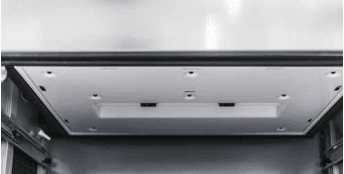
The insulated drawer only works if cold air actually stays put once the drawer closes, which is where Adande’s horizontal seal technology comes in. Fitted beneath the lid and out of the way of daily wear and tear, these seals are engineered specifically to minimise the loss of cold air on every single opening. Combined with the front-breathing design of the unit, which keeps the condenser clear of debris and lets drawers sit flush against a wall or neighbouring equipment, the whole system is built to protect that internal microclimate from disruption.
Precision that matches the ingredient
Preventing oxidation isn’t just about how the air moves; it’s also about hitting the exact temperature each ingredient needs. Adande units can be set to within 0.1°C, from +15°C down to -22°C, letting chefs tailor storage precisely rather than settling for a generic “fridge” or “freezer” setting:
- Chocolate at +12°C — avoiding the temperature swings that cause chocolate bloom and sweating
- Meat at +2°C — consistent temperature and humidity to retain natural flavour and texture, with less dehydration and drip loss
- Fish at +1°C — stored fresh and hydrated without needing ice, and easier to fillet as a result
- Ice cream at -15°C — smooth and full of flavour, with no ice crystals or freezer burn
The bottom line
Fans and forced airflow have been the default in commercial refrigeration for decades, largely because rapid cooling was the priority and nobody stopped to ask what all that turbulence was doing to the food itself. Adande’s low-velocity cooling flips that assumption: hold the cold gently, protect the microclimate around the ingredient, and let the physics work in favour of freshness rather than against it.
The result is refrigeration that doesn’t just keep food cold; it keeps food right, for longer, with less waste and less compromise on quality.